What a small business website needs to work for you
Building a website for a sole trader or local service business is different from building one for a large company. You do not need a massive content management system, a team of writers, or a dozen landing pages. What you need is a focused, functional site that helps potential clients find you, understand what you offer, and get in touch without friction. The challenge is knowing which parts matter most when time and budget are limited.
Many small business owners start with a basic page and hope it will do the job. Sometimes it does, but often it leaves visitors confused about what the business does or how to contact them. A well-planned small business website does not have to be complicated, but it does have to cover a few essential bases. Getting those right can mean the difference between a site that sits quietly and one that brings in enquiries regularly.
Start with a clear home page
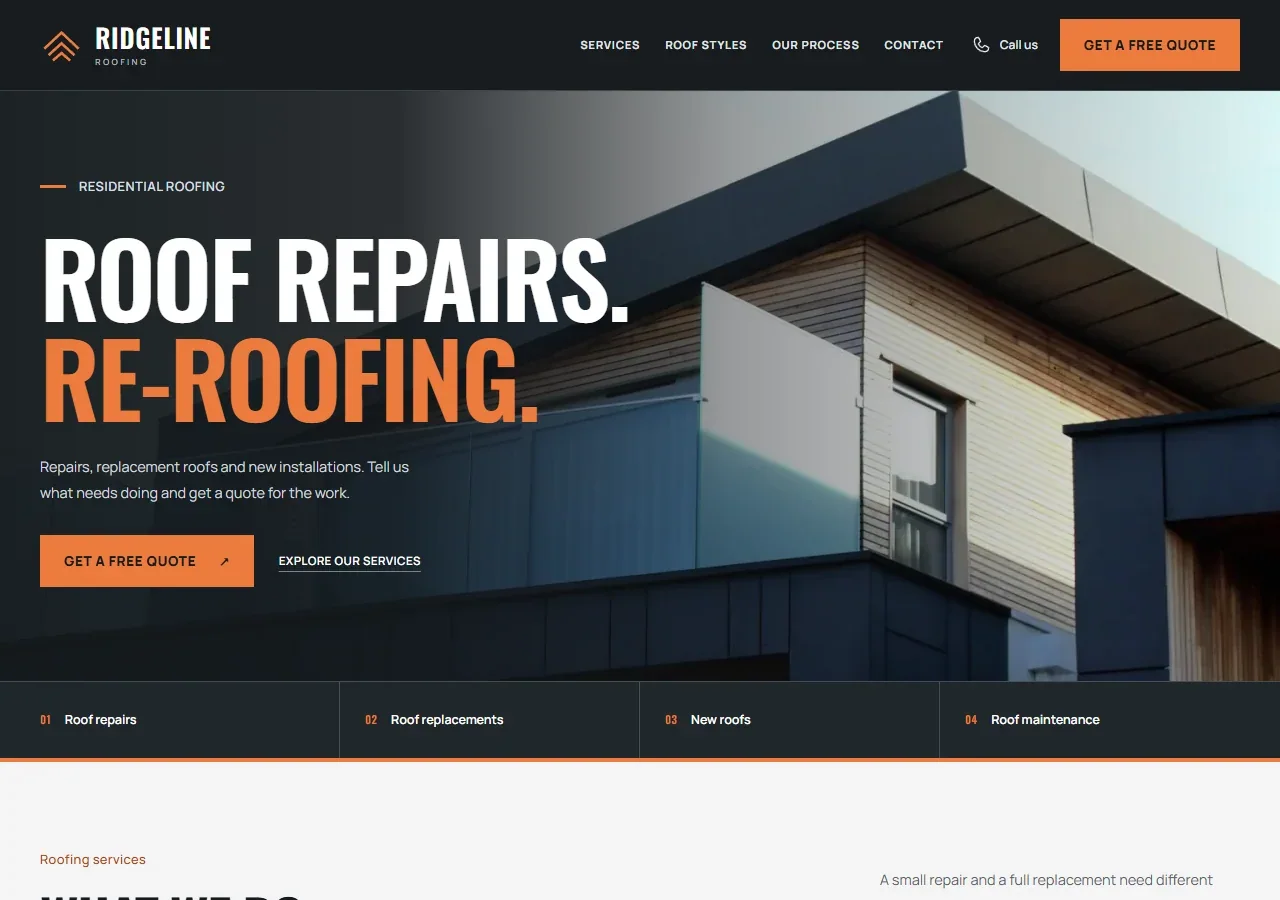
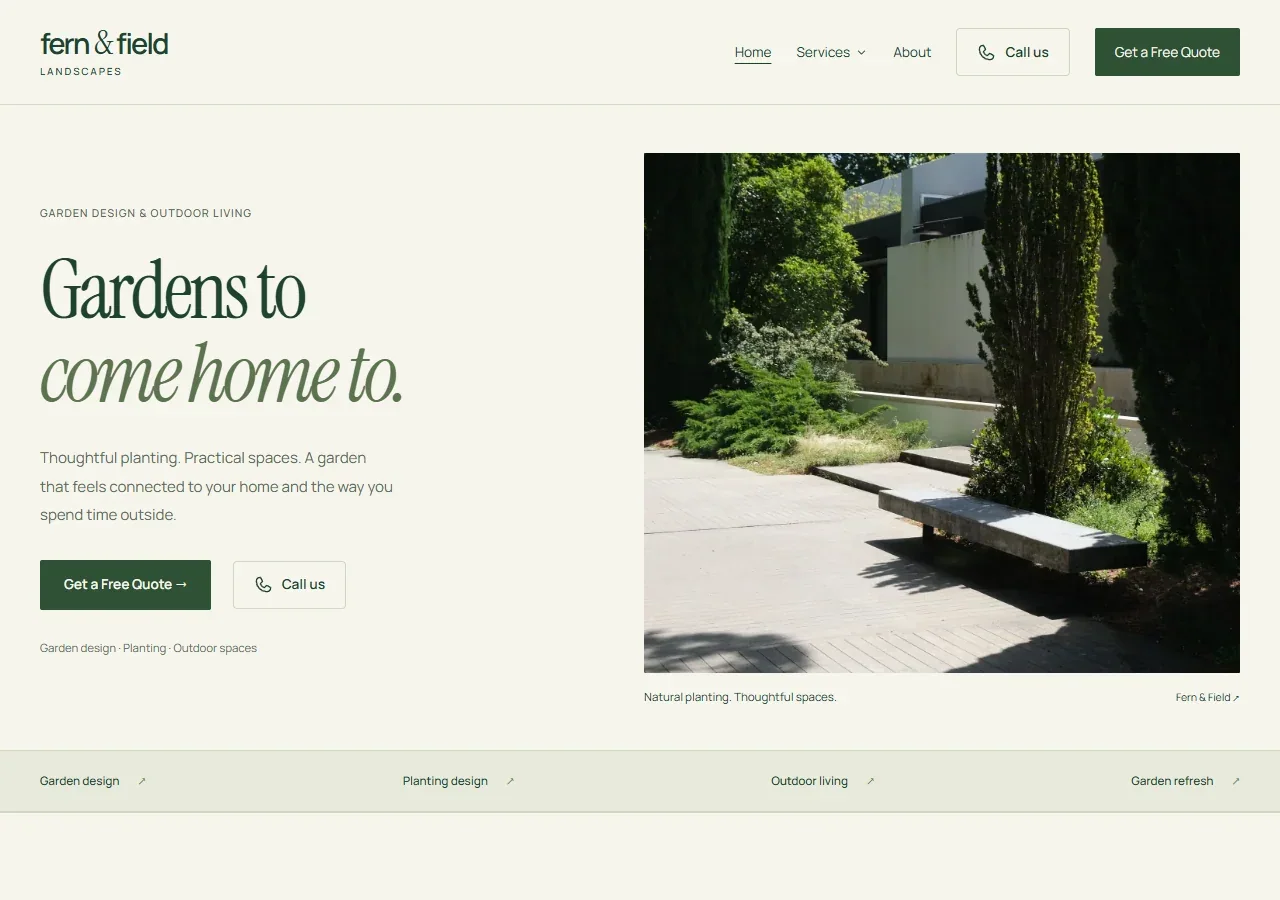
The home page is the first thing most visitors see, and it needs to answer three questions within a few seconds: what do you do, who is it for, and where are you based. A tagline or a short heading should make that obvious. Avoid vague phrases like "quality service" or "customer-focused solutions" and instead say something direct, such as "Plumber in Hamilton" or "Mobile dog grooming in Tauranga." That clarity helps both people and search engines understand your business quickly.
Below that, include a brief introduction that expands on what you do, and then a clear call to action. A call to action could be a button that says "Get a quote," "Book now," or "Call us today." Make sure that button stands out visually and leads to a contact form or a phone number. Do not bury the most important action under paragraphs of text.
Service pages that explain what you offer
If you offer more than one service, give each its own page. A service page should describe what the service involves, who it is for, and what the client can expect. For example, a gardener might have separate pages for lawn mowing, hedge trimming, and garden design. Each page can include a short description, the area you cover, and a call to action specific to that service.
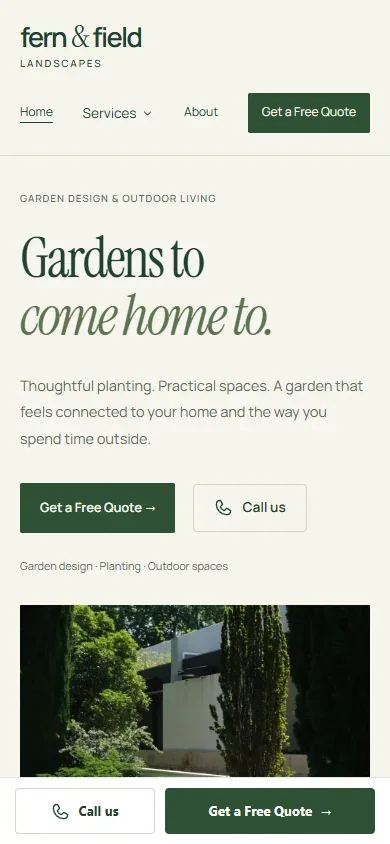
These pages also help with search visibility. When someone searches for "lawn mowing Auckland," a dedicated page about that service is more likely to appear than a generic home page. Keep the content practical and avoid fluff. If you have a particular approach or piece of equipment that sets you apart, mention it briefly, but focus on what the client gets.
A contact form that actually works
A contact form is one of the most common ways potential clients reach out, but many small business websites get this wrong. The form should ask for only the information you truly need: name, email or phone, and a short message. Do not ask for a street address, a company name, or a dozen dropdown selections unless you genuinely need those to respond. Every extra field reduces the chance someone will fill it in.
Test the form yourself after it goes live. Send a test message and check that it arrives at the right inbox. Set up an auto-reply so the sender knows you received their enquiry. If the form breaks or emails go to spam, you lose leads without knowing it. That is a quiet problem that can hurt a small business more than a slow website.
Business details that are easy to find
Your phone number, email address, and physical location (if you have a premises) should appear on every page, typically in the header or footer. Do not make visitors hunt for them. If you work from a home address and prefer not to list it publicly, at least include your suburb or town and a phone number. People want to know roughly where you are based before they call.
Opening hours matter too, especially for service businesses that take bookings. If you work by appointment only, say that. If you have set hours, list them clearly. Inconsistency here frustrates potential clients and can make your business seem unreliable.
A domain name that fits your business
Your domain name should match your business name as closely as possible. If your business is called "Auckland Plumbing Co," then aucklandplumbing.co.nz is better than aucklandplumbingandgasfittings.co.nz or auckland-plumbing-company-2024.co.nz. Keep it short, easy to spell, and free of hyphens if you can. A good domain name is part of your brand and helps people remember how to find you.
If your first choice is taken, try a different top-level domain such as .nz or .co.nz, or add a short word like "services" or "online." Avoid obscure extensions that look unprofessional. A .com or .co.nz is still the standard for most local businesses in New Zealand.
Mobile layout is non-negotiable
More than half of web traffic now comes from phones. If your site does not display well on a small screen, you are turning away potential clients. A mobile layout means text that is readable without zooming, buttons that are big enough to tap with a thumb, and a menu that works on touch. Test your site on a phone and a tablet before you launch, and check it again after any updates.
Many website builders and content management systems offer responsive templates that adjust automatically. Use one of those. If you are working with a designer, ask them to show you the mobile version before you approve the design. A site that looks great on a desktop but is cramped on a phone will lose you business.
Website content that speaks to your audience
Website content is not just about describing what you do. It is about making a connection with someone who has a problem and is looking for a solution. Write in a natural tone, as if you were talking to a neighbour. Avoid jargon, corporate language, and long paragraphs. Use short sentences and break up text with headings so people can scan quickly.
Include local details where they make sense. Mention the suburbs or towns you serve, local landmarks, or common issues in your area. For example, a roofer in Wellington might mention working with weathertightness issues common in the region. That kind of detail builds trust and shows you understand the local market.
Ongoing updates and support
A website is not a one-time project. Software updates, security patches, and fresh content all help keep the site running well and ranking in search results. If you are not comfortable handling updates yourself, consider a maintenance arrangement. Sorted Web, an Auckland-based small business website design and support service, offers hosting and ongoing updates across New Zealand. That kind of arrangement can save you time and prevent problems before they affect your visitors.
Even if you manage the site yourself, set a reminder to check it every month. Look for broken links, outdated information, and slow loading times. A small investment of time keeps your site working as a reliable tool for your business.
Bringing it all together
A small business website does not need to be flashy or expensive. It needs to be clear, functional, and easy to find. Focus on the essentials: a home page that explains what you do, service pages that give details, a working contact form, visible business details, a good domain name, a mobile-friendly layout, and content that speaks to local clients. When those pieces are in place, your site becomes a dependable way to attract enquiries and grow your business.
For sole traders and local service providers, the goal is not to have the most beautiful site on the internet. It is to have a site that works, that people can find, and that makes it easy for them to reach out. Get those basics right, and your website will earn its place as one of your most valuable business tools. Sorted Web can help with that process, offering design and support tailored to small businesses across New Zealand.